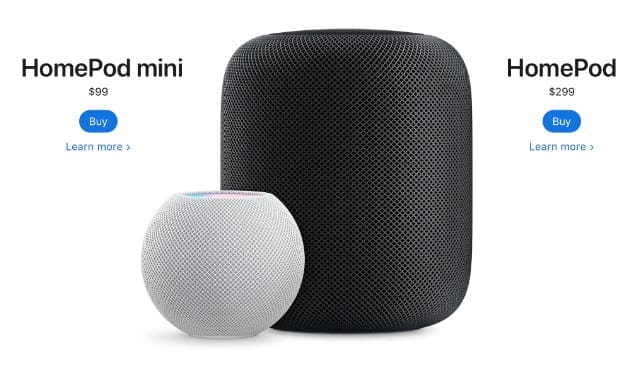
Apple HomeKit processes automations locally on Apple hubs — HomePod, Apple TV, iPad — and encrypts all device data end-to-end via iCloud. Third-party app access requires explicit user authorization per device.
The Wrong Framing for Apple HomeKit (with HomePod mini hub)
Choose Apple HomeKit (with HomePod mini hub) if Privacy-focused households committed to the Apple ecosystem. The decision is not the longest feature list — it is whether End-to-end encrypted, local processing on hub, iCloud Keychain device sync, no ad-targeting and Depends on primary platform match how your household already runs automations. Watch for: Adding Thread accessories before you own a powered border router on each floor.
Apple HomeKit (with HomePod mini hub) — Specifications That Matter
| Feature | Apple HomeKit (with HomePod mini hub) |
|---|---|
| Primary | End-to-end encrypted |
| Feature 1 | local processing on hub |
| Feature 2 | iCloud Keychain device sync |
| Feature 3 | no ad-targeting |
Where Apple HomeKit (with HomePod mini hub) Wins
Apple HomeKit processes automations locally on Apple hubs — HomePod, Apple TV, iPad — and encrypts all device data end-to-end via iCloud.
Hardware focus: End-to-end encrypted
Best when: Privacy-focused households committed to the Apple ecosystem
Cost, Radios, and Household Fit
| Topic | Typical range | Practical check |
|---|---|---|
| Apple HomeKit (with HomePod mini hub) | ~$99 | Confirm box model matches your research listing before pairing devices |
| Platform subscription | Read app for paid tiers before mounting permanently | Add to three-year budget if you use cloud video or premium tiers |
| Radios on board | End-to-end encrypted, local processing on hub, iCloud Keychain device sync, no ad-targeting | List Z-Wave/Zigbee/Thread devices you already own |
| Local control | Depends on primary platform | Disconnect WAN once to verify automations still run |
| Setup path | Manufacturer app + hub pairing | Run one test rule inside the return window |
Subscriptions: Budget for Read app for paid tiers before mounting permanently beyond the purchase price.
Compared to Alternatives
| When this fits better | Lean toward | Why not Apple HomeKit (with HomePod mini hub)? |
|---|---|---|
| Google Home (with Nest Hub 2nd Gen) fits when your household already standardized on its app stack and you only need its native radios. | Google Home (with Nest Hub 2nd Gen) | Prefer Apple HomeKit (with HomePod mini hub) when Google Home (with Nest Hub 2nd Gen) lacks a radio you already own (especially Z-Wave) or when local-only rules matter more than Google Home (with Nest Hub 2nd Gen)'s cloud path. |
| Homey Pro wins on visual automations, faster onboarding, and one polished app for many brands. | Homey Pro | Pick Apple HomeKit (with HomePod mini hub) over Homey Pro when Z-Wave 800 Long Range to outbuildings and fully local Rule Machine without a hub subscription are the priority. |
| Aqara Hub M3 bridges Zigbee/Thread/Matter with IR and PoE for mixed-ecosystem homes. | Aqara Hub M3 | Apple HomeKit (with HomePod mini hub) makes more sense for heavy Z-Wave LR estates and local-only automations without leaning on Aqara’s app as the primary brain. |
| Privacy-focused households committed to the Apple ecosystem | Apple HomeKit (with HomePod mini hub) | Default pick when alternatives above lack a radio or local-control feature you already depend on. |
What to Avoid
- Adding Thread accessories before you own a powered border router on each floor.
- Mixing Apple HomeKit (with HomePod mini hub) with a second cloud brain for the same room without a migration plan.
- Assuming Matter fixes incompatible legacy sensors without a bridge.
- Ignoring Z-Wave inventory you still depend on day one.
Integration and Daily Use
Apple HomeKit (with HomePod mini hub) only pays off when End-to-end encrypted, local processing on hub, iCloud Keychain device sync, no ad-targeting match your primary hub. Plan local control through Depends on primary platform before you mount hardware permanently.
Specs that change install decisions:
- Primary: End-to-end encrypted
- Feature 1: local processing on hub
- Feature 2: iCloud Keychain device sync
- Feature 3: no ad-targeting
Setup path: Manufacturer app + hub pairing. Subscription check: Read app for paid tiers before mounting permanently.
Reliability, Firmware, and Owner Patterns
Recurring negatives: pairing quirks and app UX — less often sudden hardware death.
Recurring themes in long-running threads:
- Setup and hub pairing learning curve — common in owner threads
- Firmware-dependent features — verify after first update cycle
- SKU confusion at checkout — match box art to researched model
Amazon listings reuse box art — confirm model number in the newest reviews.
Summary
Apple HomeKit (with HomePod mini hub) fits Privacy-focused households committed to the Apple ecosystem.
Key specs: End-to-end encrypted, local processing on hub, iCloud Keychain device sync, no ad-targeting
Apple HomeKit processes automations locally on Apple hubs — HomePod, Apple TV, iPad — and encrypts all device data end-to-end via iCloud. Third-party app access requires explicit user authorization per device.
Tradeoffs: Setup and hub pairing learning curve — common in owner threads; Firmware-dependent features — verify after first update cycle; SKU confusion at checkout — match box art to researched model
Check Current Price on Amazon (paid link)
What Owners Report
Aggregated Amazon and forum themes for this SKU:
- Praise: Apple HomeKit processes automations locally on Apple hubs — HomePod, Apple TV, iPad — and encrypts all device data end-to-end via iCloud.
- Complaints: Recurring negatives: pairing quirks and app UX — less often sudden hardware death.
- SKU drift: Amazon listings reuse box art — confirm model number in the newest reviews.
Installing and Commissioning Apple HomeKit (with HomePod mini hub)
- Unbox Apple HomeKit (with HomePod mini hub) and confirm the model number matches your research listing.
- Update your primary hub firmware before pairing the accessory.
- Pair in the manufacturer app, then add to Apple Home / Google Home / Alexa if needed.
- Run one automation in the return window before permanent mounting.
Who Should Buy Apple HomeKit (with HomePod mini hub)?
Choose this model if Privacy-focused households committed to the Apple ecosystem.
Skip it if You need a different radio, credential path, or subscription model than Apple HomeKit (with HomePod mini hub) provides.
Frequently Asked Questions
Does Apple HomeKit (with HomePod mini hub) require a hub?
Apple HomeKit (with HomePod mini hub) may act as a border router or need one — list device types in your primary app before checkout.
Is Apple HomeKit (with HomePod mini hub) worth buying in 2026?
Worth it when Privacy-focused households committed to the Apple ecosystem and street price fits your tier. Pass if a named alternative in this review already covers your radios.
What does Apple HomeKit (with HomePod mini hub) cost beyond the hardware price?
Include optional cloud tiers (Read app for paid tiers before mounting permanently) plus mounts and batteries — not just the headline price.
What do owners complain about most?
Forum threads cluster on pairing and firmware more than dead hardware — read reviews for your exact SKU revision.
How does Apple HomeKit (with HomePod mini hub) compare to alternatives on this page?
Use the Compared to Alternatives table — each row names a real SKU and when Apple HomeKit (with HomePod mini hub) loses on radios, hub fit, or three-year cost.
HTR Verdict
- Best for: Privacy-focused households committed to the Apple ecosystem.
- Skip if: You need a different radio, credential path, or subscription model than Apple HomeKit (with HomePod mini hub) provides.
- Bottom line: Apple HomeKit (with HomePod mini hub) earns its place when the alternatives above do not already solve the same job for less.